





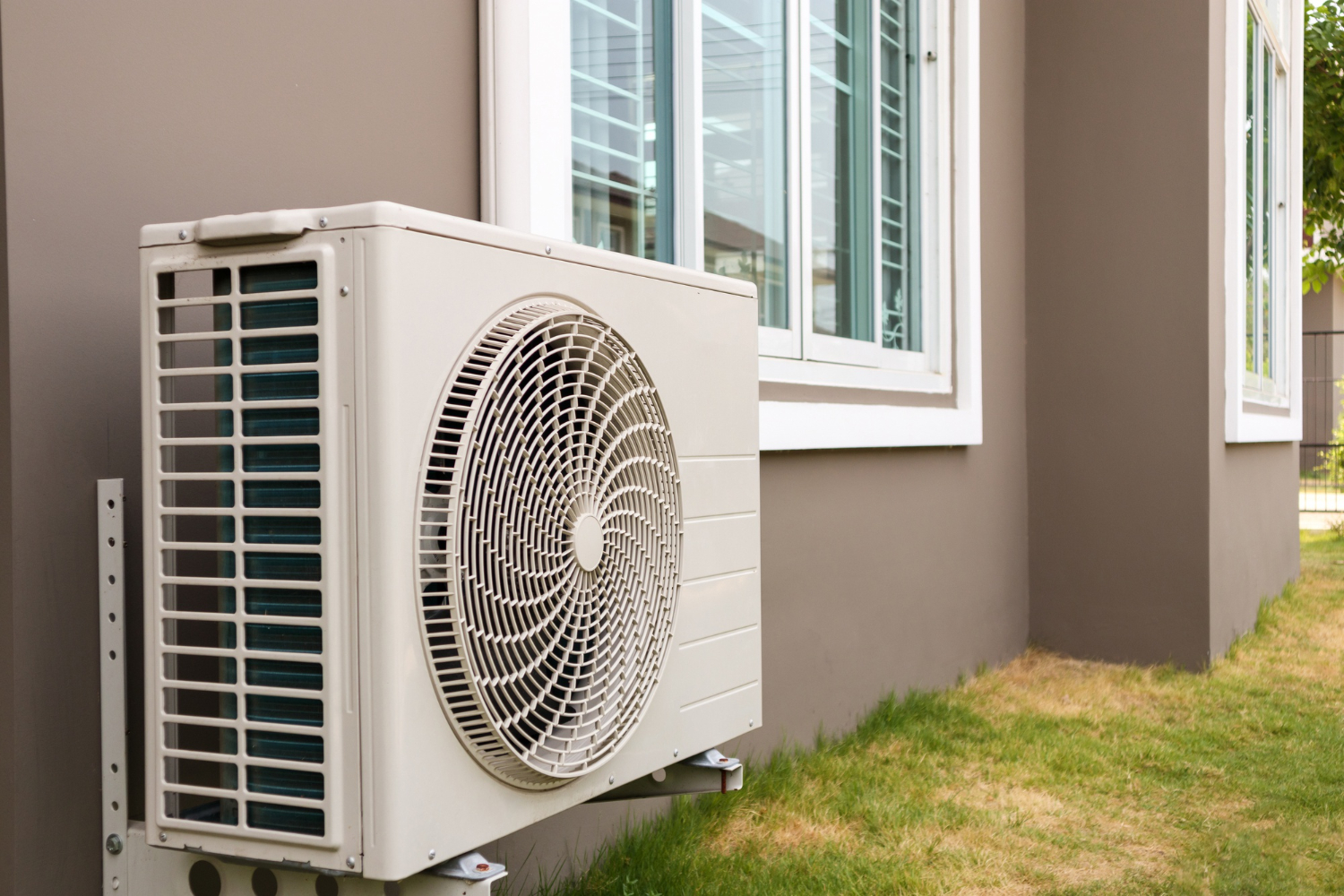
Heat pumps have become a popular choice for heating and cooling both homes and businesses in recent years. Unlike traditional systems that rely solely on combustion or electrical resistance, heat pumps transfer heat from one place to another, making them efficient and effective. This technology is gaining attention as more individuals look for sustainable and cost-saving solutions to regulate indoor temperatures.
One of the reasons heat pumps are growing in popularity is because of the significant comfort they provide. By efficiently transferring heat, they ensure your home stays warm in winter and cool in summer, while using less energy. This not only leads to lower energy bills but also helps in reducing your carbon footprint, making it a smart choice for eco-conscious individuals.
How Heat Pumps Work
Understanding how heat pumps operate is relatively straightforward. At their core, they move heat from one place to another using a small amount of electricity. During the colder months, a heat pump extracts warmth from outdoor air or the ground and transfers it indoors. In the warmer months, it reverses the process, moving warm air out of your home to provide a cooling effect.
There are different types of heat pumps available:
– Air Source Heat Pumps: These are the most common and work by extracting heat directly from the outside air. They are suitable for various climates and are easy to install.
– Ground Source Heat Pumps: Also known as geothermal heat pumps, they use the stable underground temperature as their primary heat source. While the initial setup might be more complex, they are incredibly efficient over time.
– Hybrid Heat Pumps: Combining the benefits of both air source and ground source systems, hybrid pumps offer flexibility and resilience, adapting to the environmental conditions to provide optimal performance.
Each type of heat pump has its own set of advantages, and choosing the right one for your home depends on factors like climate, space availability, and budget. Whether it’s the effectiveness of air source systems in milder weather or the year-round efficiency of ground source options, there’s likely a heat pump suited to your needs.
Benefits of Using Heat Pumps
Heat pumps stand out for several reasons, primarily thanks to their energy efficiency and the cost savings that follow. Unlike conventional heating systems, which may consume large amounts of energy, heat pumps only require a small amount to move heat around. This translates into noticeable savings on energy expenses, as less energy is wasted in the process.
The environmental perks are equally significant. As they consume less energy, heat pumps help reduce carbon emissions, contributing to a cleaner environment. For those keen on lowering their carbon footprint, a heat pump presents a promising step forward. Beyond that, these systems can improve indoor comfort by maintaining consistent temperatures, eliminating cold spots in winter and excessive heat in summer. Here’s a quick look at their benefits:
– Reduced energy consumption and lower bills
– Environmentally friendly with fewer emissions
– Enhanced comfort with stable indoor temperatures
Considerations Before Installing a Heat Pump
Before deciding to install a heat pump, it’s important to consider a few factors. Start with assessing your home’s suitability – the layout, insulation, and existing heating systems may affect how well a heat pump works for you. While the initial cost might seem high compared to some traditional systems, the long-term savings and efficiency usually justify the price over time.
Professional installation is also a key consideration. A properly installed heat pump functions more efficiently, providing better performance and increased longevity. It reduces the risk of malfunctions and ensures safety, highlighting why it’s wise to rely on experienced professionals for the task.
Comparing Heat Pumps with Other Heating Methods
When comparing heat pumps with more traditional heating systems like boilers or electric heaters, the differences are clear. Heat pumps come out on top in terms of energy efficiency, often leading to financial savings over time. They also typically demand less maintenance, as there are fewer mechanical parts directly involved in heat creation.
Another benefit is their longevity. Heat pumps are known for having a long lifespan when maintained properly. Additionally, they offer advanced control options, often integrating with smart home systems for easy, remote management. This level of control and integration ensures a more tailored temperature setting that fits various daily needs.
Making the Most of the Benefits of Heat Pumps
Understanding the advantages and considerations linked with heat pumps makes it easier to see why they are becoming an increasingly popular choice. From cutting down on energy bills to reducing environmental impact, heat pumps offer a practical solution for those looking to innovate their home heating methods. Whether you’re focused on sustainability, cost savings, or comfort, there’s a lot to appreciate with this technology.
As you consider the future of home heating, embracing renewable energy solutions might just align with your goals. Making an informed choice allows for a more sustainable and comfortable living environment, showcasing the benefits of heat pumps in a variety of settings.
Exploring options for a greener future? With Shine Solar, discover how adopting renewable energy solutions can transform your home or business. For a comprehensive look at how our products and services can help you save on costs while making a positive environmental impact, contact us today. Enjoy a more sustainable lifestyle with the right choices.