





Store More.Save More.Take Greater ControlOf Your Energy.
Generate your own electricity. Store what you don’t use. Use it when you need it most.
A professionally designed battery storage system allows you to make better use of the energy your solar panels generate, helping reduce your reliance on the grid and giving you greater control over your home’s electricity.
At Shine Solar, every battery system is carefully specified around your property, your energy usage and your future plans — because the right battery isn’t always the biggest one.

Honest Advice
Tailored To You






Based on 25+ Reviews
What Is Battery Storage?

Solar panels generate electricity during daylight hours. The challenge is that many homes use the most electricity in the morning and evening — when solar generation is low or zero.
A battery stores electricity you do not use immediately so it can typically be used in the evening.
Instead of buying electricity back from your supplier during the expensive times, you can draw from the energy you've already generated.
It’s a simple idea — but one that can make a significant difference to how much of your own renewable energy you actually use.
Is Battery Storage Worth It?
This is one of the first questions we hear and the honest answer is: it depends on how you use it.
Battery storage can be an excellent investment for many households, but it isn't the right choice for everyone.
That’s why we don’t simply recommend a battery based on its size.
Instead, we look at:
- How much electricity you use each day
- When you use it
- Whether you work from home
- Whether you own an EV or plan to buy
- Whether you’re considering a heat pump
- Your future energy goals
Sometimes a battery makes complete sense.
Sometimes it's better to install further solar first.
We'll explain the difference honestly.
How Battery Storage Works
Think of your battery as your home's personal energy bank.
-
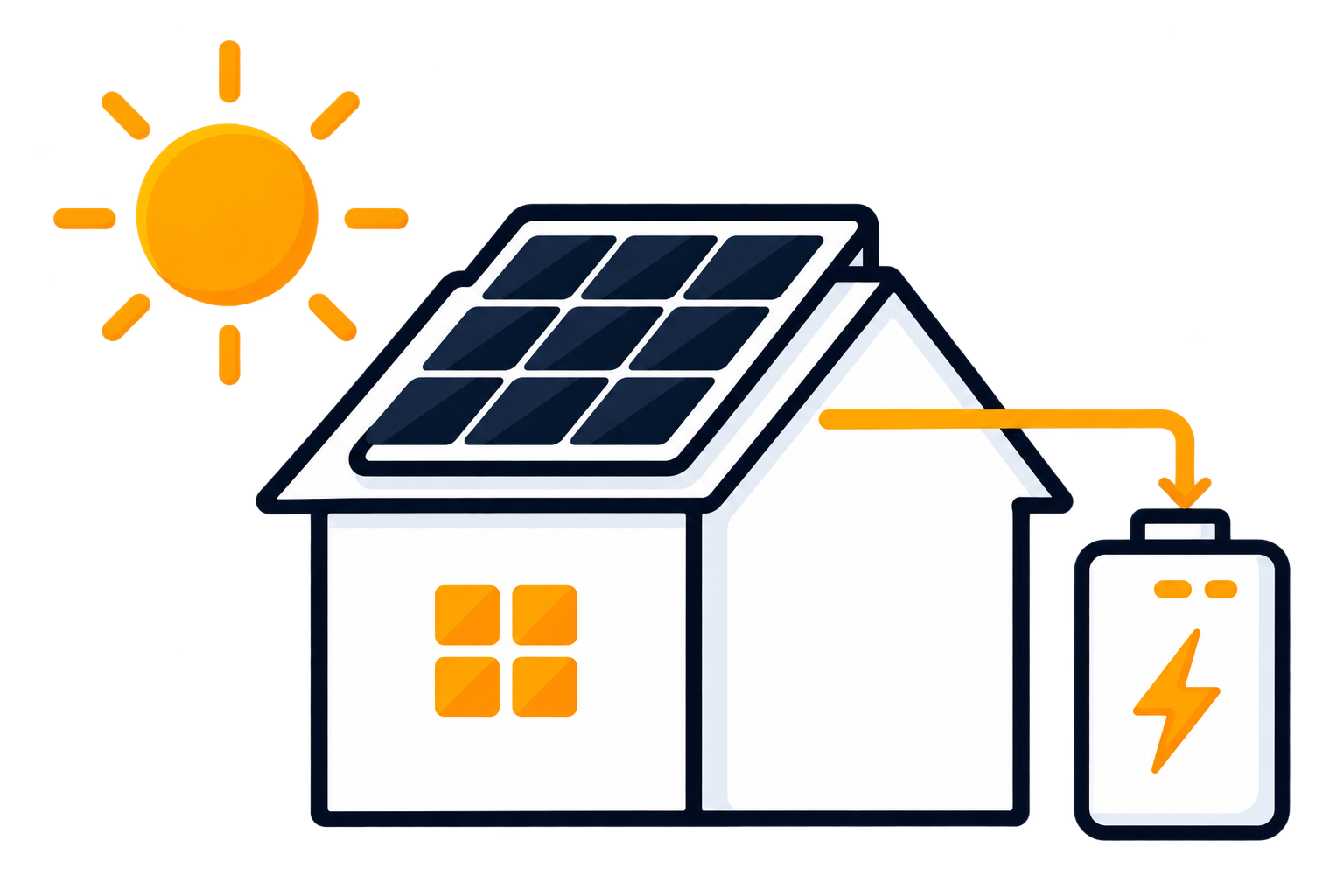
During the Day
Your solar panels generate electricity. Your home uses what it needs first. Any surplus energy charges the battery.
-
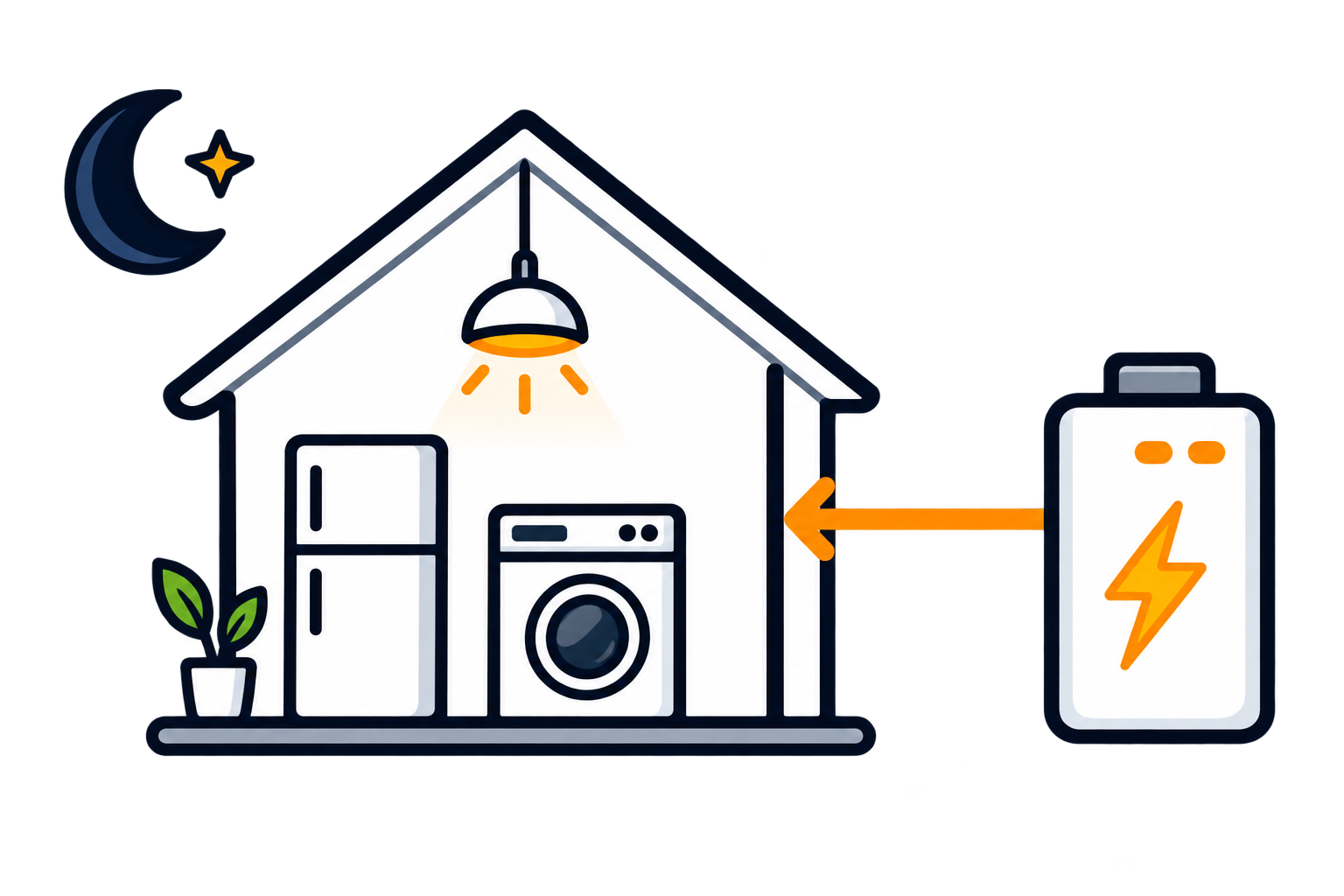
During the Evening
You use stored energy instead of buying electricity from the grid.
-
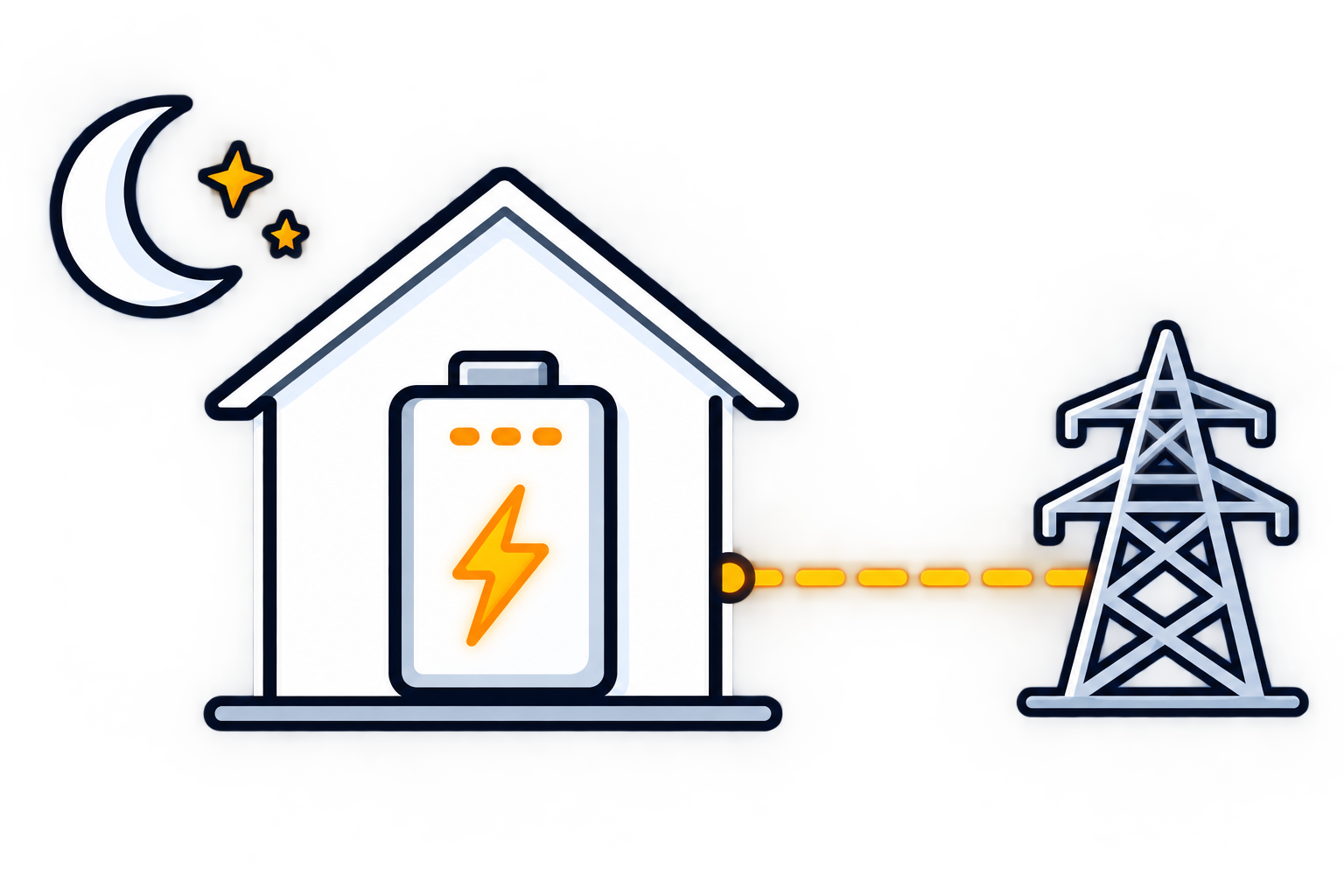
Overnight
Depending on your setup and tariff, some systems can also charge from lower-cost overnight electricity, ready to use during higher-cost periods.
The result is a smarter, more flexible energy system that helps you make better use of every unit of electricity.
Choosing the Right Battery
Not all batteries are created equal. The size of your battery should reflect your lifestyle — and not simply the size of your roof.
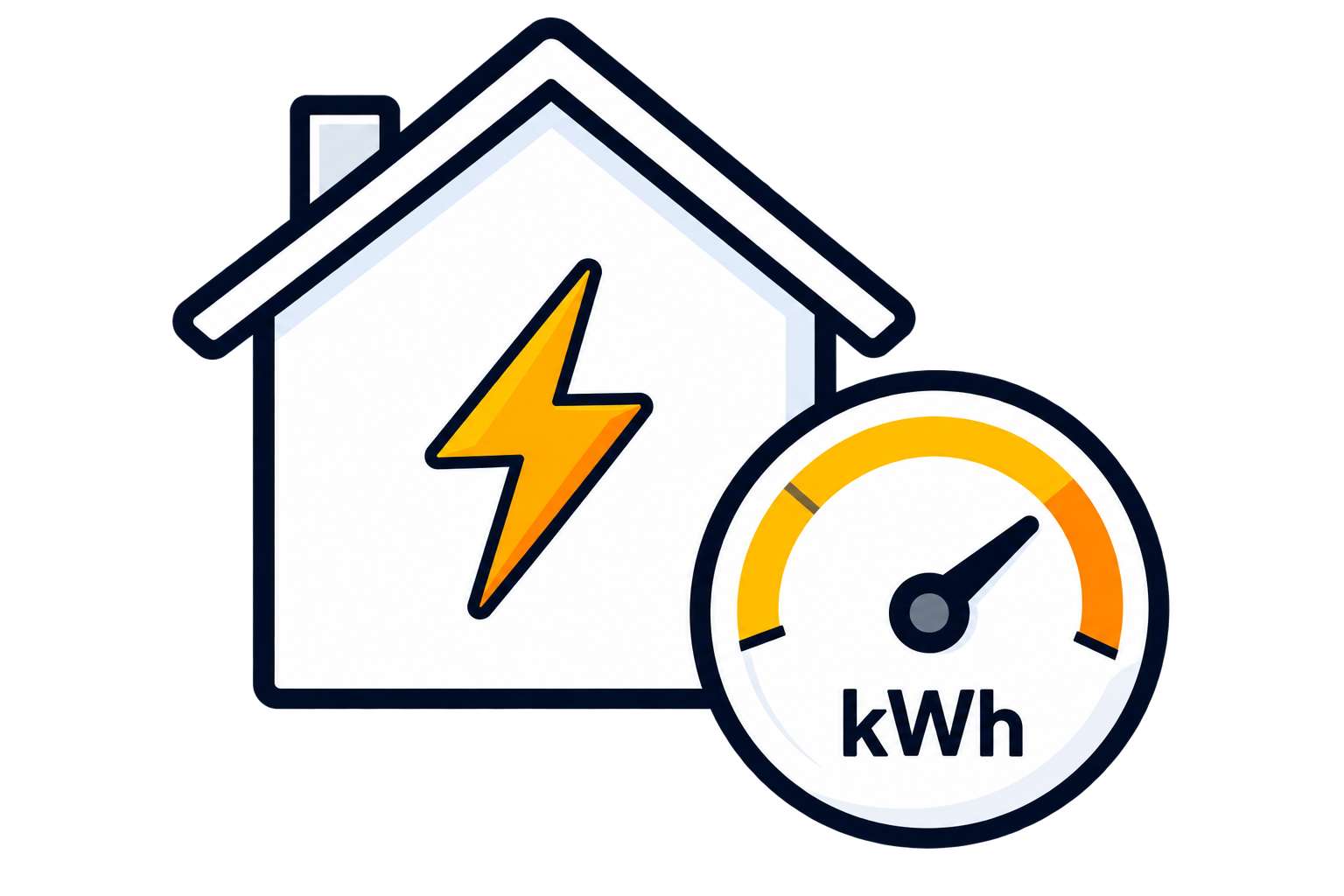
Your Daily Electricity Usage
Understanding how much energy your household typically uses determines the ideal battery capacity.
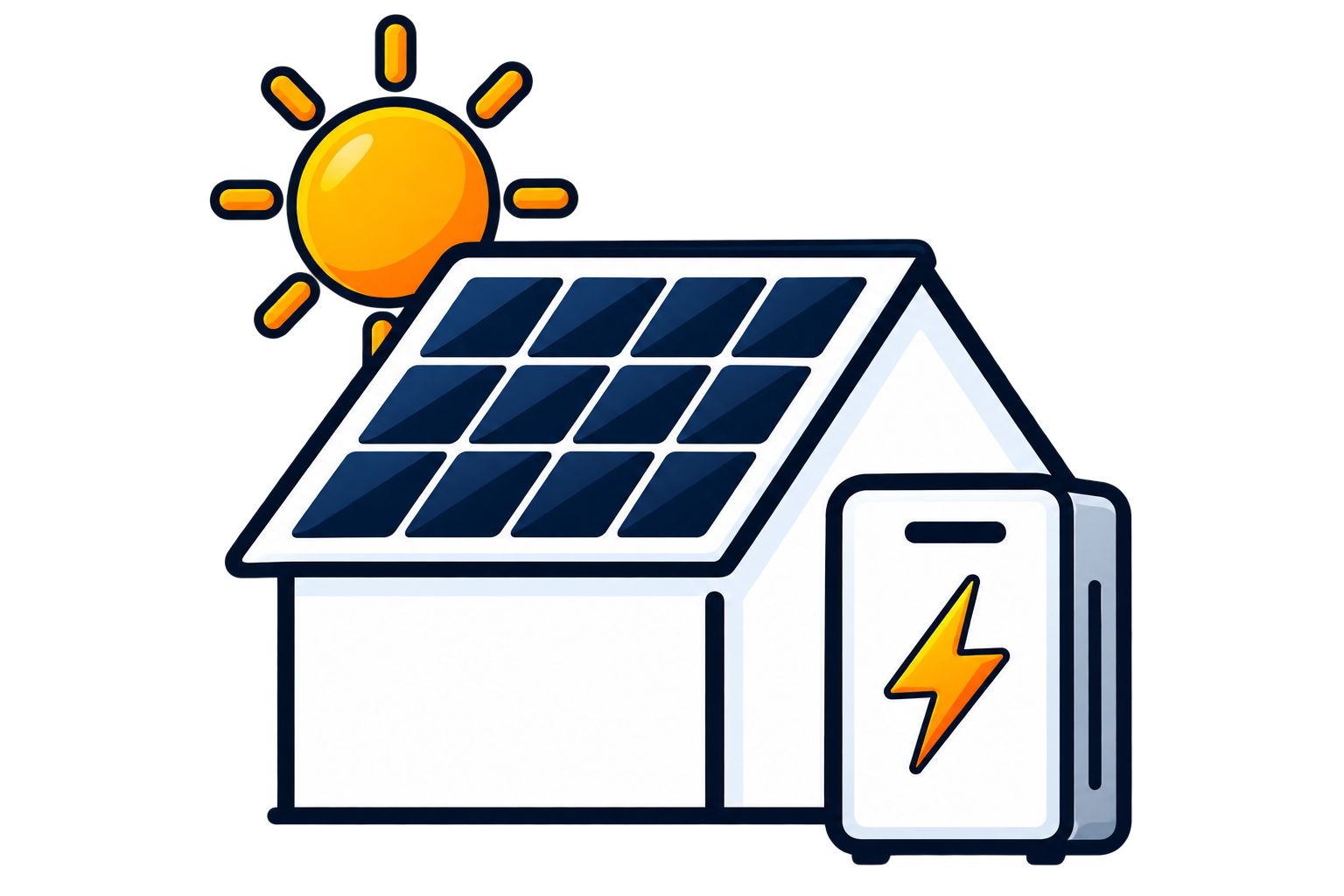
Your Solar Generation
The battery should complement the amount of energy your system is expected to produce.
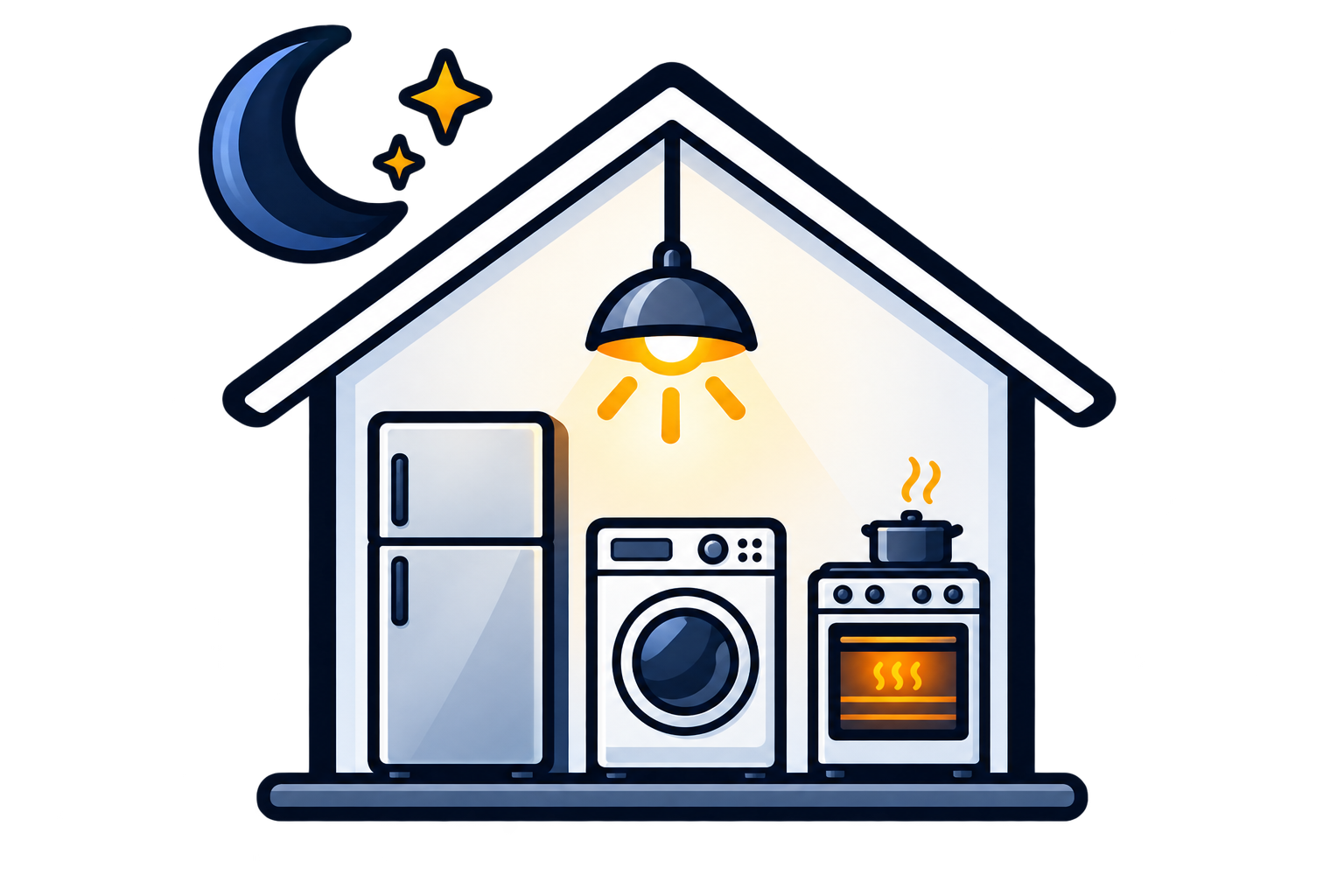
Your Evening Consumption
Many household activities take place in the evening, such as cooking, bathing and watching TV.
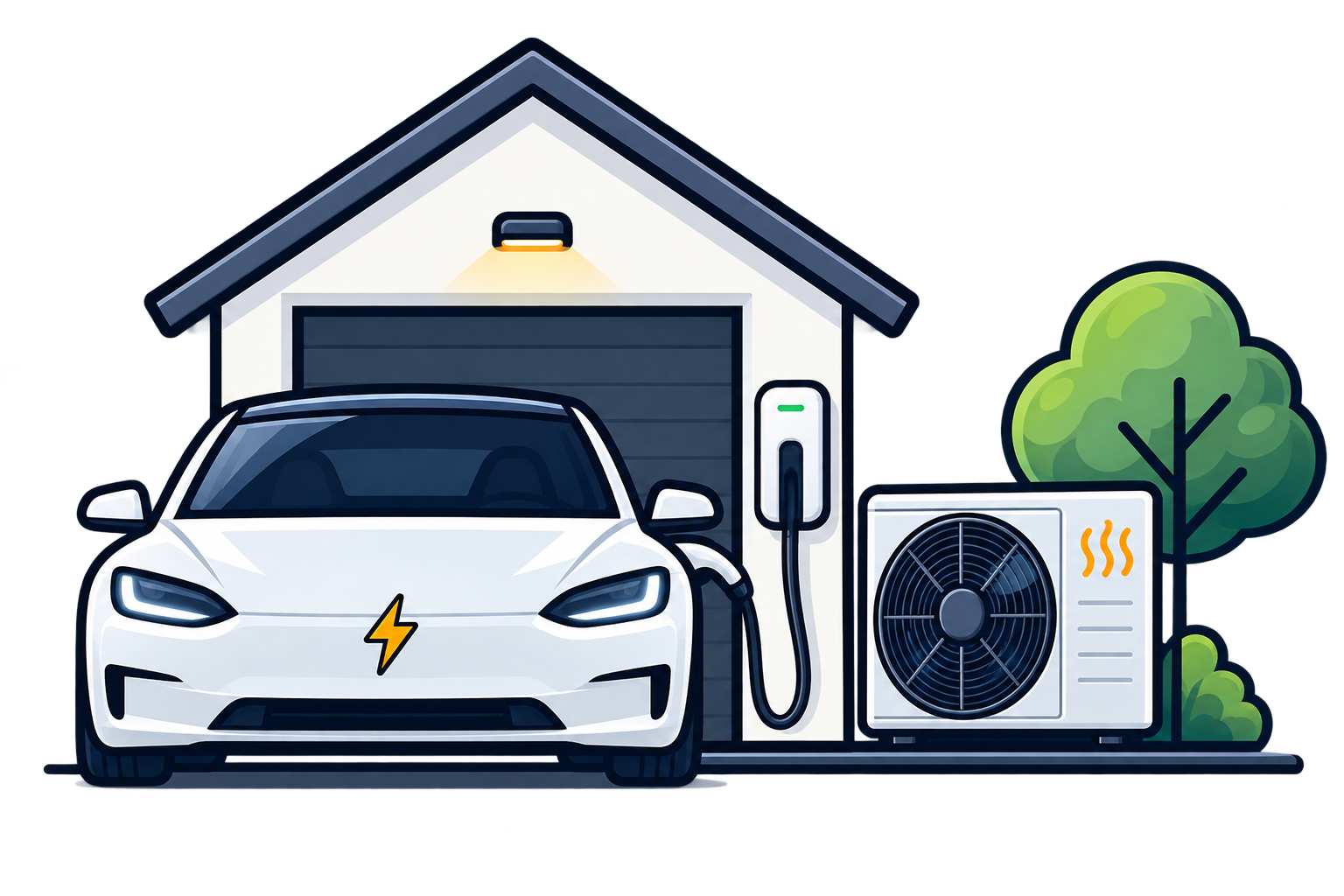
Your Future Plans
Planning to buy an electric vehicle or install a heat pump? We factor those into the design too.
Fox ESS, SIGENERGY or Tesla - Which Battery Is Right For You?
As accredited installers, we work with trusted manufacturers including Fox ESS.
SIGENERGY and Tesla.
Both offer high-quality battery storage, but they suit different households and priorities.
- Highly reliable
- Great performance
- Flexible capacity options
- Modular and scalable
- Excellent compatibility
- Modern design
- Advanced technology
- Scalable and efficient
- Integrated energy management
- Reliable performance
- Sleek, modern design
- Premium build quality
- Seamless app integration
- Powerful performance
- Designed for longevity
- Industry-leading warranty
Can You Add a Battery to Existing Solar Panels?
Yes — in many cases, you can.
Many homeowners installed solar panels several years ago before battery technology became more widely adopted
If you already have solar panels, it's often possible to add battery storage without replacing your existing system.
We'll assess:
- Your current inverter
- Your existing solar system
- Your electricity usage
- Available installation options
Common Questions About Battery Storage
The right battery size depends on your household electricity usage, when you use electricity and what you want your system to achieve.
A 6kWh battery may suit smaller households or homes with lower electricity usage. A 12kWh battery is often a good fit for a typical family home that wants to store more solar energy for use in the evening. A larger 23kWh battery may be appropriate for properties with higher electricity consumption, multiple electric vehicles, heat pumps or a greater desire for energy independence.
We'll analyse your electricity usage and recommend the battery size that provides the best balance between performance, future flexibility and value.
The largest battery isn't necessarily the most economical choice.
For example, if your home only regularly uses a relatively small amount of electricity overnight, installing a very large battery may leave you with unused capacity.
Conversely, a larger household with an EV, heat pump or high electricity consumption may be able to make much greater use of additional storage.
Our job isn't to sell you the biggest battery. It's to find the battery size that makes the most sense financially for your home.
That's a powerful differentiator.
Yes. Many modern battery systems can be programmed to charge during cheaper off-peak periods.
This means your battery can potentially be used in two different ways:
During sunny periods:
Store surplus solar energy that would otherwise be exported.
During cheaper periods:
Charge from the grid when electricity is cheaper and use that stored energy later when electricity costs more.
Used intelligently, battery storage can therefore help you make better use of your solar generation and take advantage of cheaper electricity tariffs.
The right strategy depends on your tariff, battery system and household consumption, which is why we'll look at your individual circumstances when designing your system.
Some electric vehicles support Vehicle-to-Home (V2H) or Vehicle-to-Grid (V2G) technology, allowing energy stored in the vehicle to be used by your home.
However, not every vehicle or charger currently supports these features.
For most households today, a dedicated home battery remains the most practical solution, but we'll always discuss the latest technology and whether it could benefit your property.
This is one of the most common misconceptions about solar and battery storage.
The answer depends on how your system has been designed.
A standard grid-connected solar panel system will automatically switch off during a power cut. This is a safety feature designed to protect electricity network engineers who may be working to restore power.
If your system includes a battery, it doesn't automatically mean your home will continue to have electricity during a power cut. Many battery systems are installed without backup functionality, meaning they will also shut down when the grid goes offline.
However, some battery systems can be designed with backup power or whole-home backup capabilities. With the correct battery, inverter and backup equipment, your home can continue to receive power during a power outage.
For example, Sigenergy systems can be installed with the Sigenergy Energy Gateway, which automatically detects a power cut, safely isolates your home from the electricity grid and allows the battery to continue supplying power to your property. Depending on the system design and battery capacity, this can provide backup to selected essential circuits or, in many cases, the whole home.
Tesla Powerwall also offers backup functionality when installed with the appropriate Tesla Backup Gateway. In the event of a power cut, the system can automatically disconnect from the grid and continue powering your home using stored battery energy, helping to keep essential appliances and, where designed, much of your home running.
The level of backup available will depend on several factors, including the battery capacity, the inverter and gateway equipment, your home's electrical installation, whether the system has been designed for essential-load backup or whole-home backup, and the amount of electricity being used during the outage. If having electricity during a power cut is important to you, we'll discuss this during your consultation and design a system that provides the level of resilience that's right for your home and lifestyle.
It's an important question.
Battery manufacturers continue to improve the way batteries are designed, manufactured and recycled, and the industry is investing heavily in reducing environmental impact.
While lithium-based batteries remain the most widely used technology for domestic energy storage, recycling processes and alternative battery chemistries continue to develop.
If sustainability is particularly important to you, we'll explain the available technologies and help you choose the most appropriate solution for your priorities.
In many cases, yes. Solar and battery systems can often be expanded, depending on your existing equipment, roof space and electrical capacity.
If you think your energy usage may increase in the future - for example because you are planning an electric vehicle, heat pump, extension or home office - we can take this into account when designing your system.
We'll explain the expansion options available with your chosen equipment so you can make a decision that supports both your current and future requirements.
If you've been researching solar panels or battery storage, you may have come across the terms G98, G99 and G100. These are UK engineering standards that govern how solar panels, battery storage and other electricity generation systems connect to the local electricity network.
The good news is you don't need to complete these applications yourself. As part of our service, Shine Solar will prepare and submit the required application or notification on your behalf.
A G98 is a "fit and notify" process used for smaller generation systems that meet specific
technical limits. This means your system can usually be installed first, with the local electricity network operator (known as the Distribution Network Operator or DNO) being notified afterwards.
A G99 application is required for larger or more complex systems that need approval before installation. The DNO will assess whether the local electricity network can safely accommodate the proposed installation and may approve the system as designed, approve it with certain conditions such as an export limit, or occasionally request network upgrades before the installation can proceed.
A G100 relates to export limitation. Specialist equipment continuously monitors the export and automatically limits it to an agreed maximum. This allows many larger solar and battery systems to be installed without requiring costly upgrades to the local electricity network.
Applications are assessed by your local Distribution Network Operator (DNO) - the company responsible for operating and maintaining the electricity network in your area. Your electricity supplier does not approve G98, G99 or G100 applications.
Every application is different. A G98 notification is usually submitted after installation and processed quickly. Many straightforward domestic G99 applications are determined within around 45 working days, although times can vary depending on the complexity of the project and the workload of the local DNO. More complex applications can take several months where detailed network studies or reinforcement works are required.
We'll identify which application is required, prepare the technical documentation, submit everything to the DNO and manage the process from start to finish.
If your solar panels generate more electricity than you're using, the surplus can often be exported back to the electricity grid. Many energy suppliers offer payments for this through the Smart Export Guarantee (SEG).
The amount you're paid depends on your electricity supplier, the export tariff you choose, whether you have a smart meter capable of recording exported electricity, and the terms and conditions of your chosen tariff.
While export rates change over time, many current Smart Export Guarantee tariffs pay between 5p and 30p per kWh, with some specialist tariffs offering higher rates under certain conditions. However, exporting your electricity isn't always the most valuable option. For many homeowners, it's worth significantly more to use the electricity they generate themselves rather than exporting it. This is because the cost of buying electricity from the grid is often considerably higher than the amount paid
for exported electricity.
This is where battery storage can make a real difference. Instead of exporting surplus electricity during the day, a battery allows you to store it and use it later in the evening when your solar panels are no longer generating. Many battery systems can also be programmed to charge overnight using cheaper off-peak electricity tariffs, helping to reduce your energy costs even further.
During your consultation, we'll explain the different export options available and help you choose the strategy that offers the best overall value for your home and your energy usage.
Your installation includes manufacturer warranties covering the equipment supplied, together with our workmanship guarantee. Our panels have a 25-year manufacturer warranty and batteries and inverters come with 10–15-year warranties.
We'll explain exactly what is covered before installation so you have complete confidence in your investment.
Is Battery Storage Right For You?
A Battery Could Be Ideal If…
- You have solar panels
- Use most of your electricity in the morning and evening
- Want to charge an electric vehicle
- Want more energy independence
- Want to protect against rising energy prices
It May Not Be The Right Choice If…
- You already use most of your solar electricity during the day
- You're planning major changes to your property soon
- Your current system isn't performing well (we may recommend upgrades first)
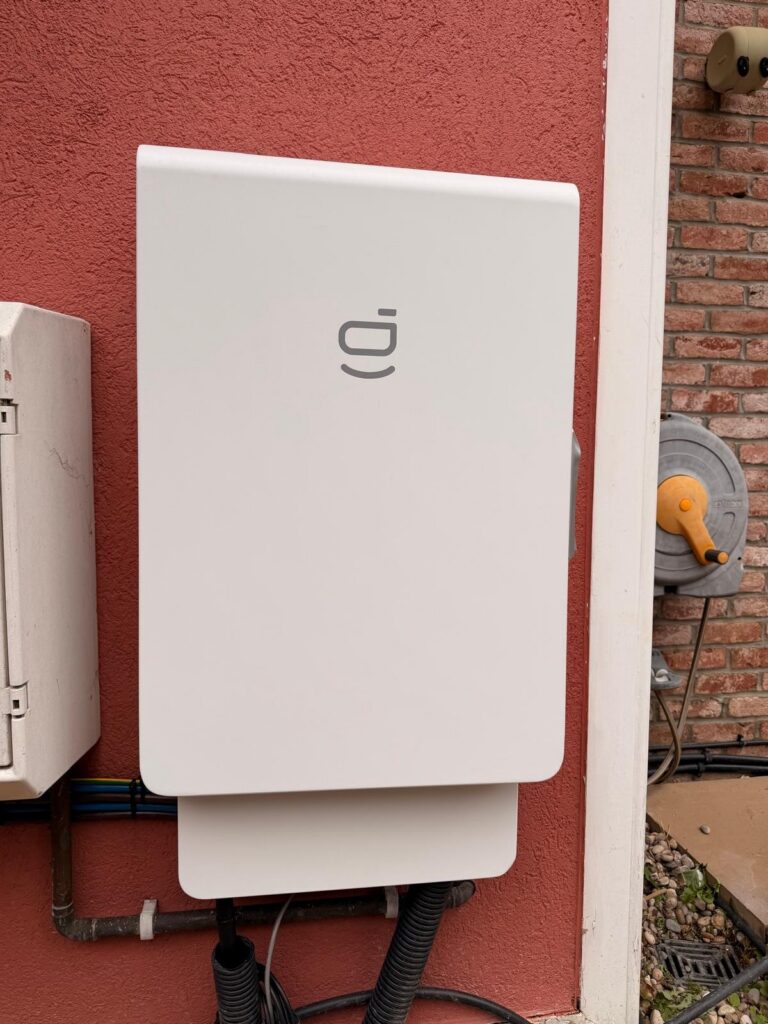
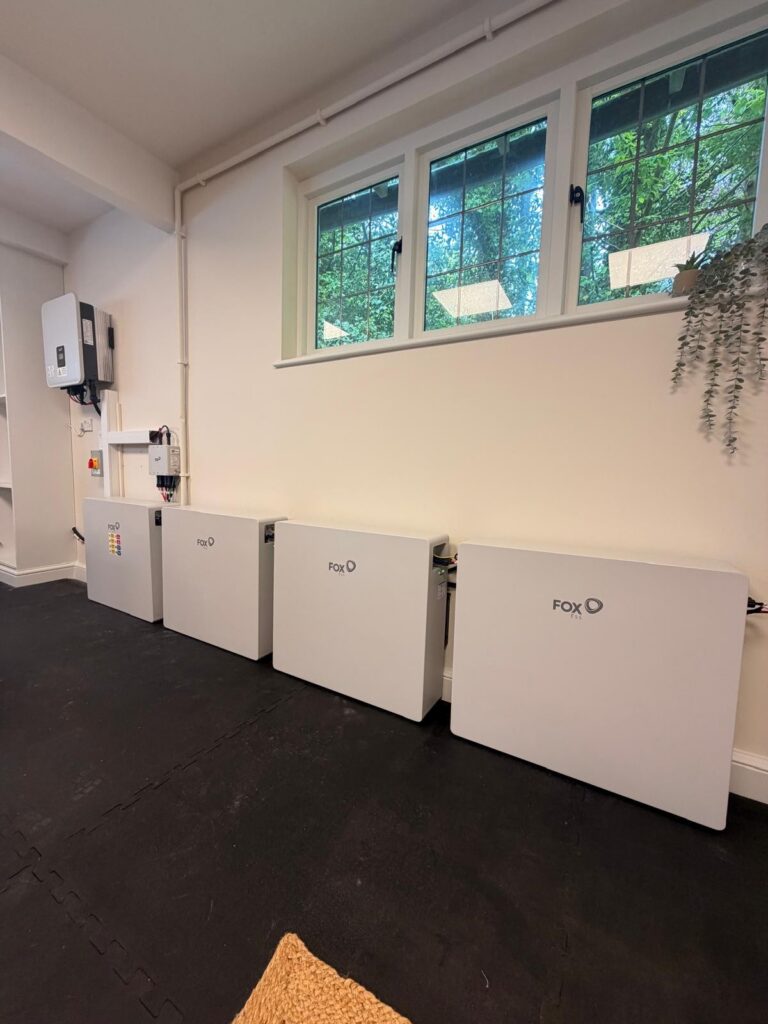
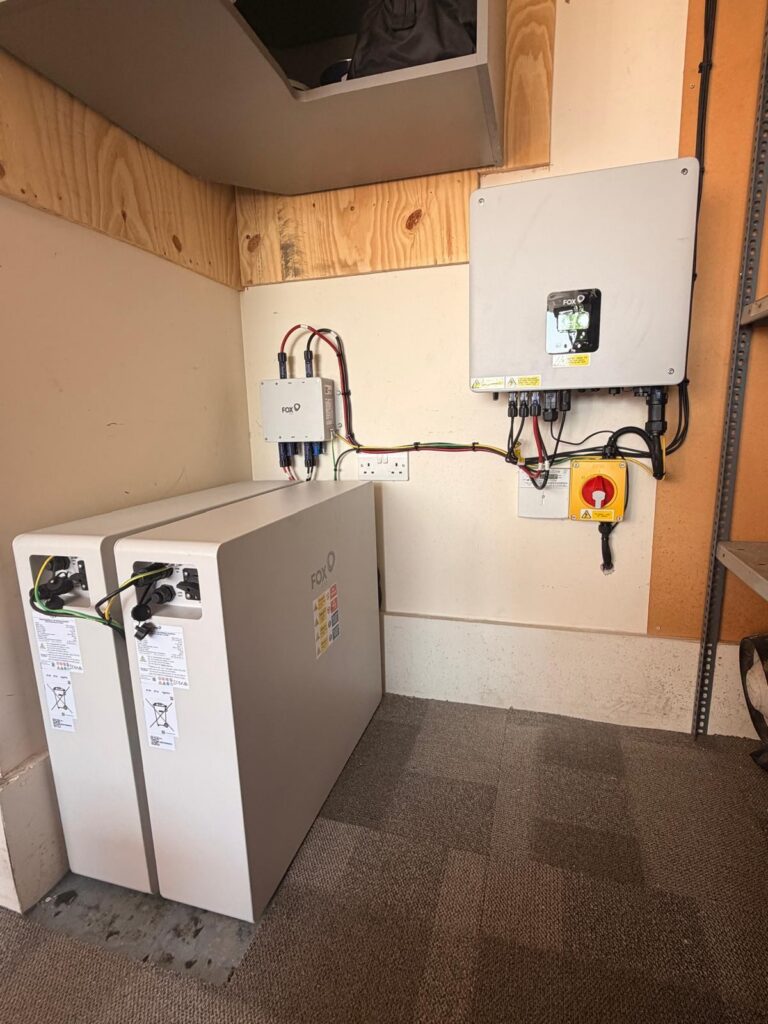
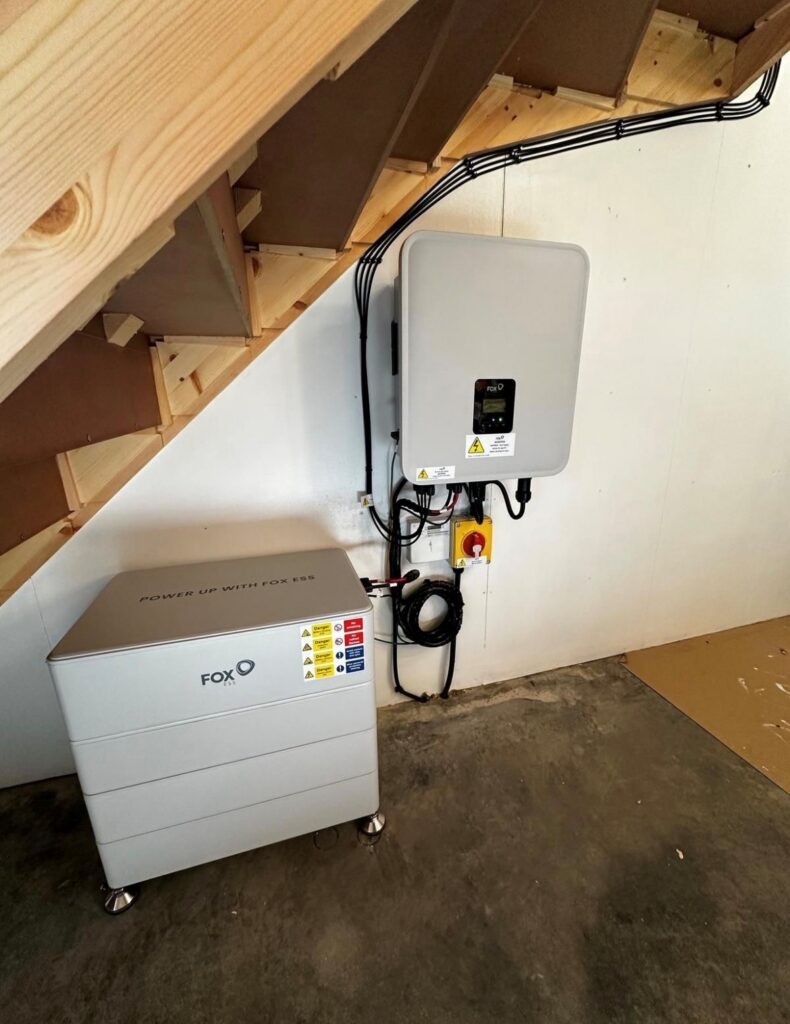
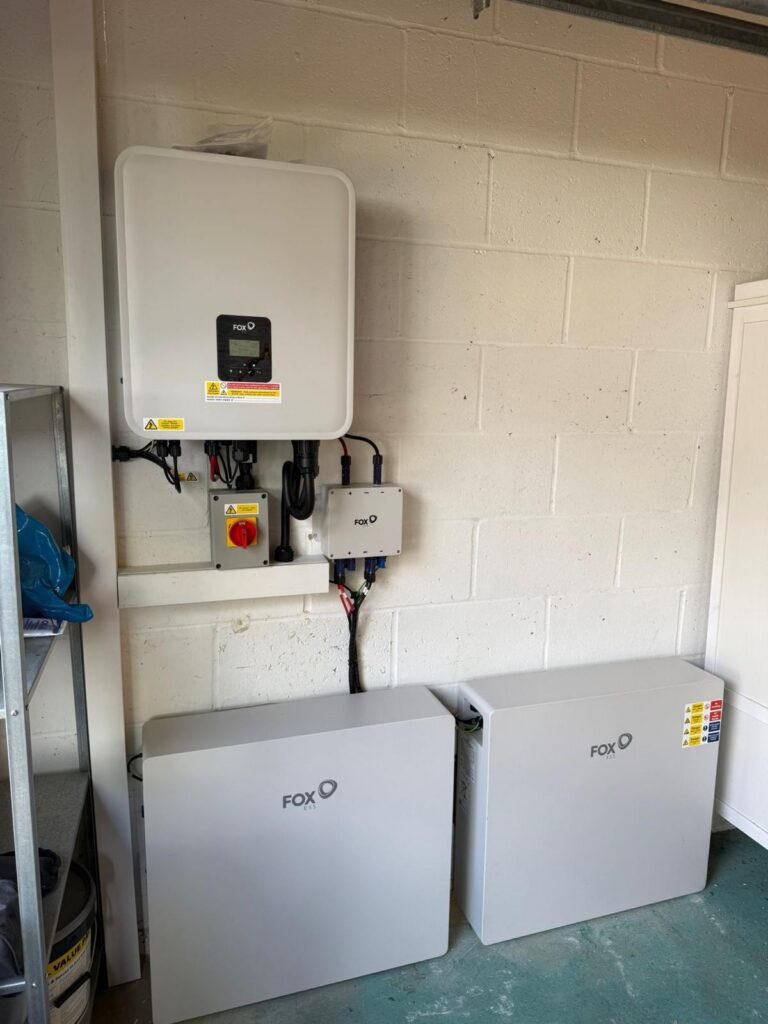
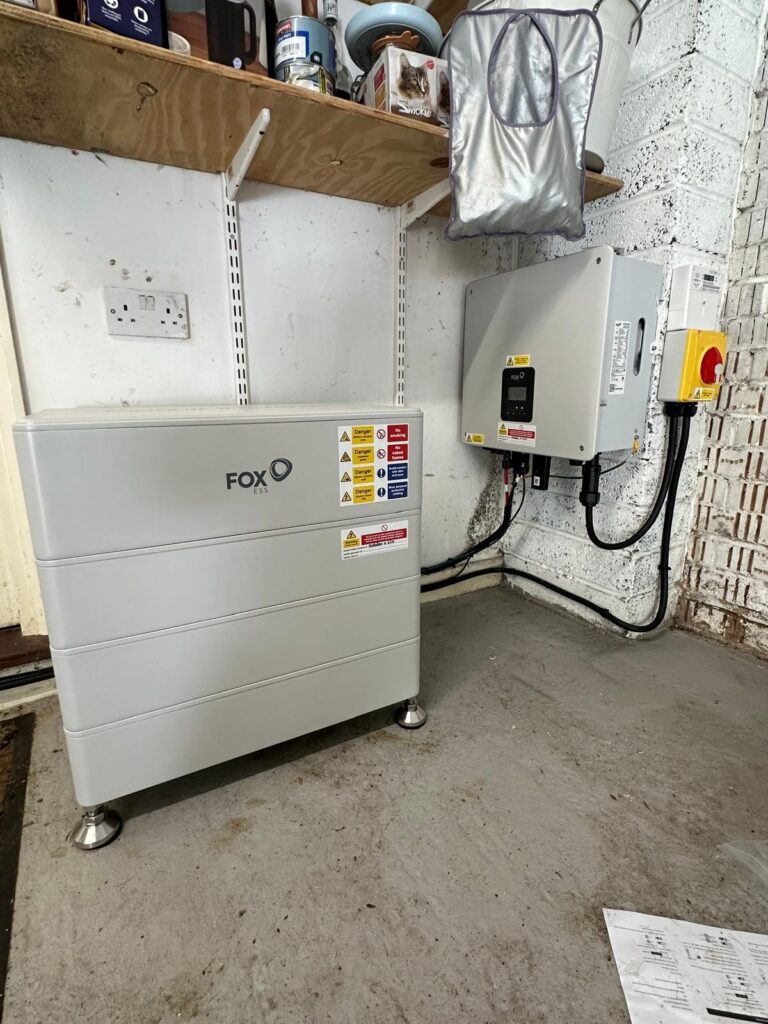
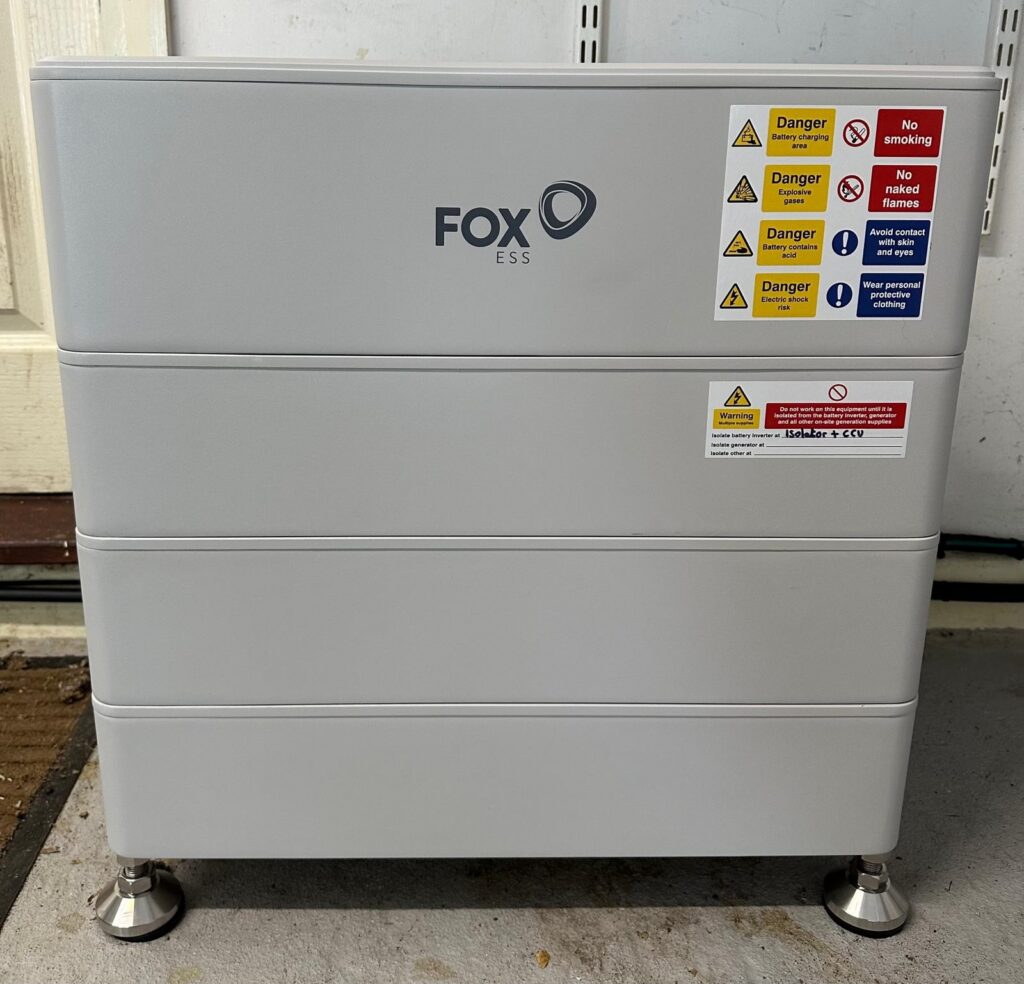
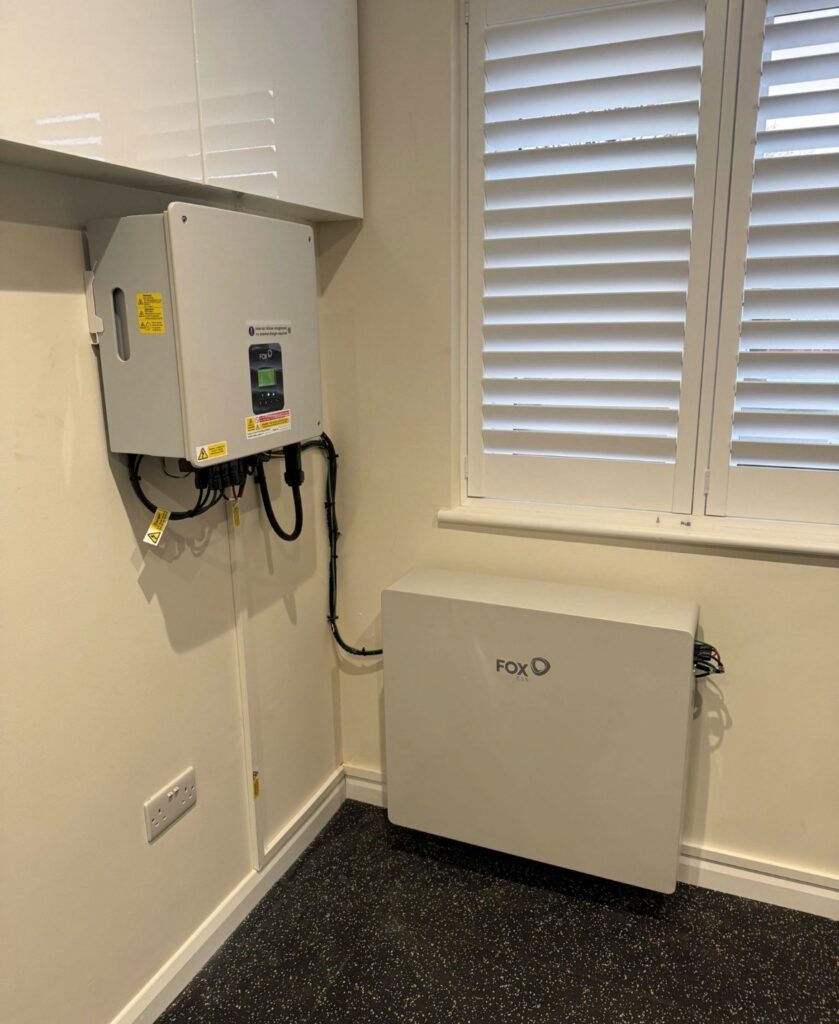
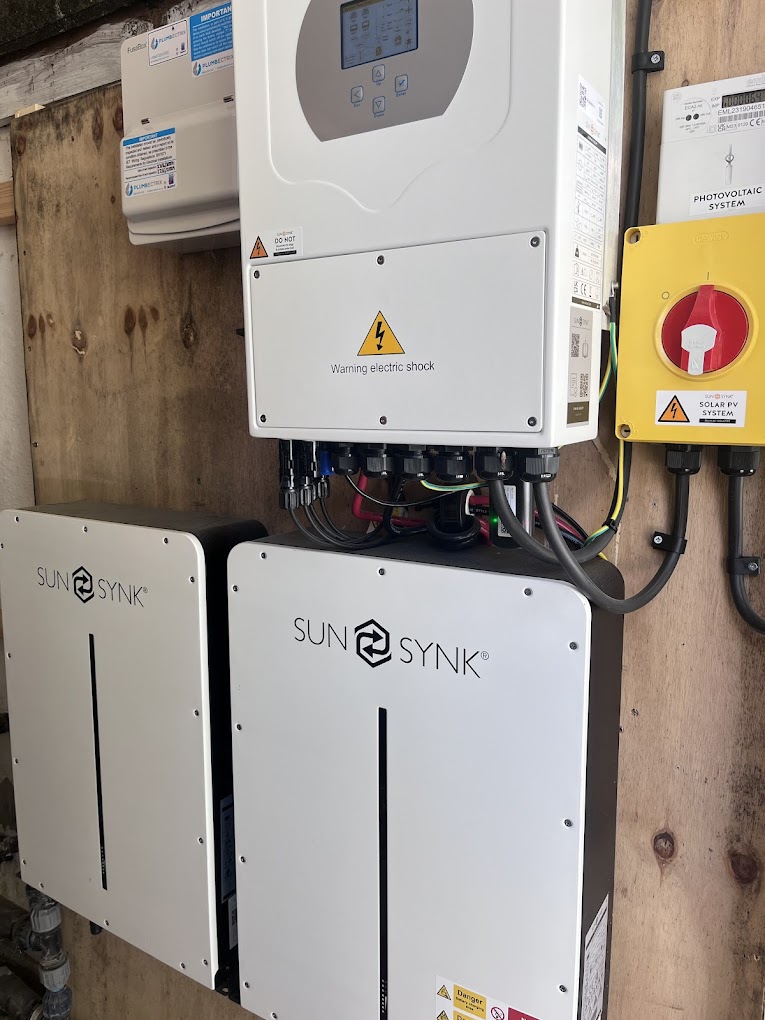
Recent Battery Installs
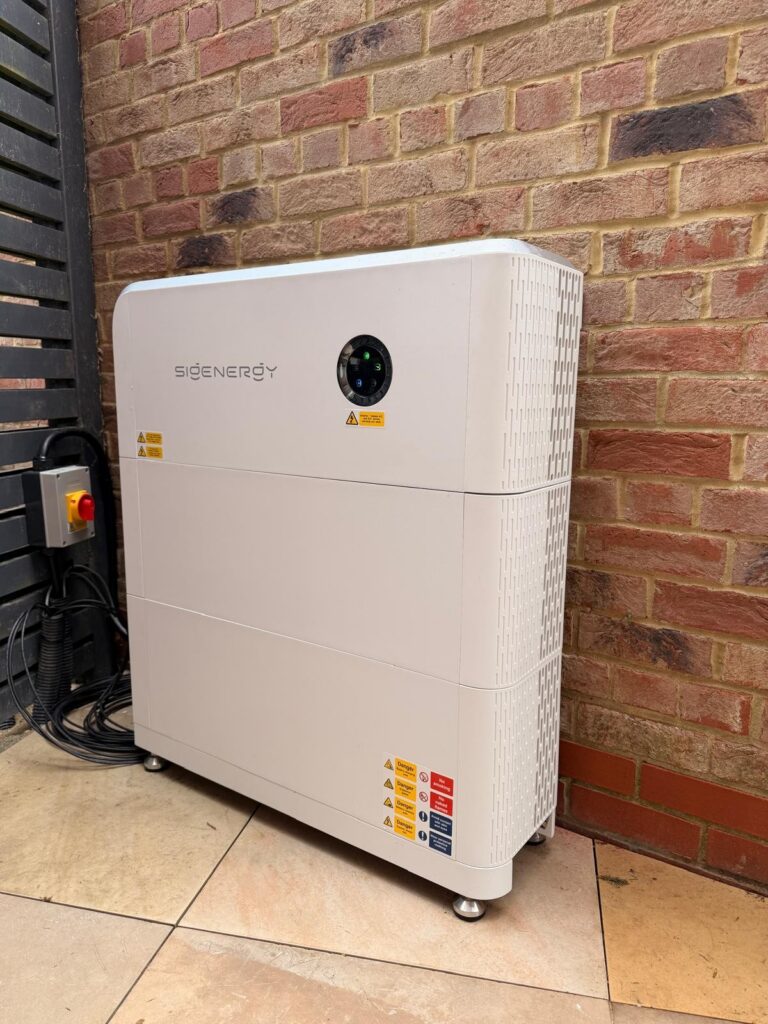
Why Choose Shine Solarfor Battery Storage?
We'll assess how you use electricity, explain your options clearly and recommend a solution that truly fits — no sales pressure.